
Gold prices reached a ten-week high in early trading on Thursday, approaching $4,450. However, as the European session got under way, those gains were reversed and the precious metal moved into negative territory for the day. Figures released on Wednesday showed that US inflation continued to moderate, with the annual rate easing to 3.4% in July from 3.5% in June. This gave gold traders some cause for optimism. Lower inflation reduces expectations that the Federal Reserve will raise interest rates before the end of the year, weighing on the US dollar and supporting bullion. However, the optimism was short-lived. The US–Iran conflict continues to generate uncertainty. The Strait of Hormuz remains effectively closed, and both sides have yet to agree on a realistic path towards normalization. This is keeping energy costs elevated, reviving inflationary concerns and creating a headwind for the precious metal. Against this backdrop, gold traders will continue to monitor developments in the Persian Gulf and their impact on oil prices. Attention will also turn to the release of the US Producer Price Index later today, which could provide further clues about inflationary pressures in the world’s largest economy and help shape expectations for Federal Reserve monetary policy, with the potential to influence the price of bullion.
Ricardo Evangelista, ActivTrades
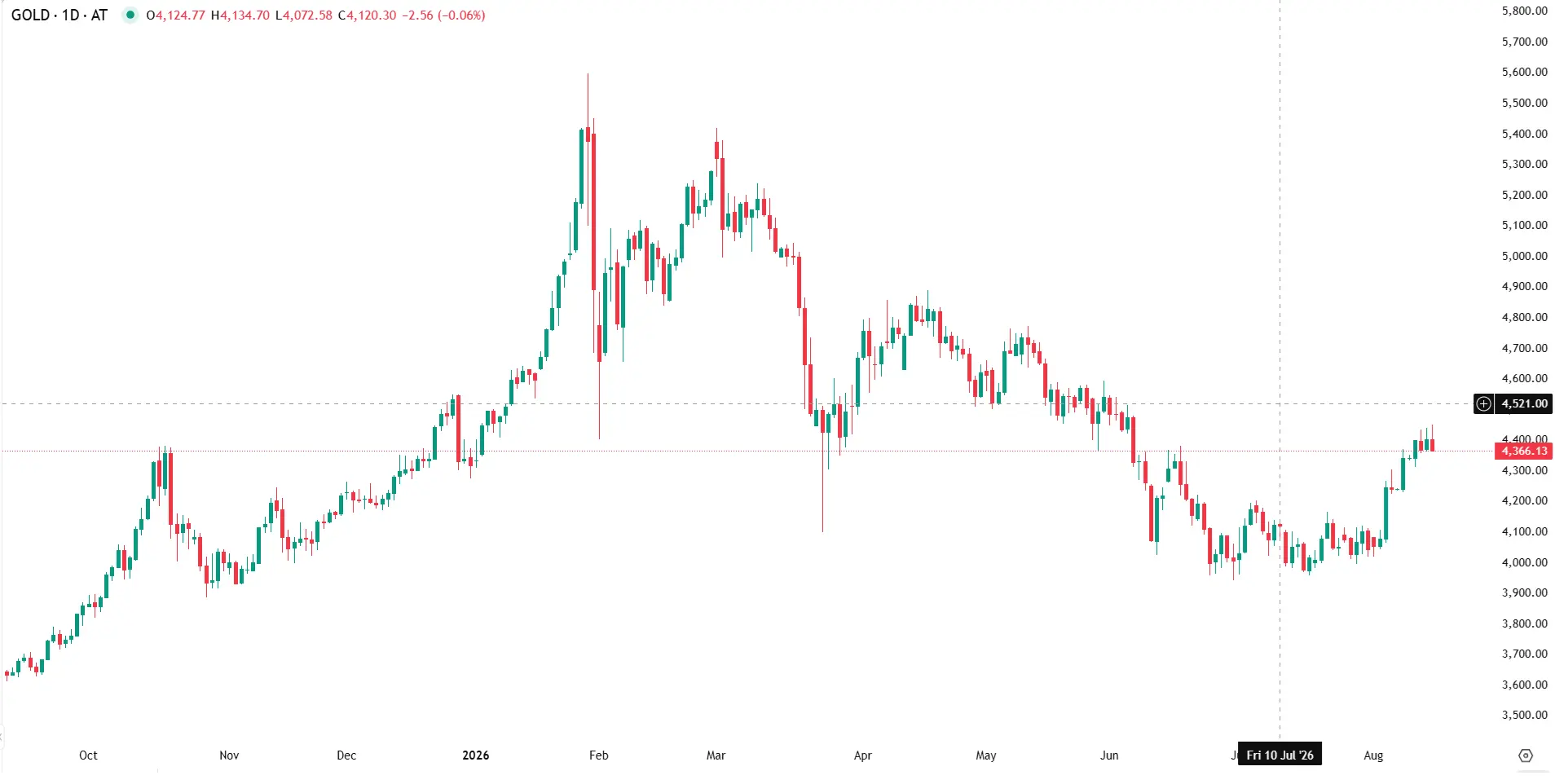
Source: ActivTrader
The information provided does not constitute investment research. The material has not been prepared in accordance with the legal requirements designed to promote the independence of investment research and as such is to be considered to be a marketing communication.
All information has been prepared by ActivTrades (“AT”). The information does not contain a record of AT’s prices, or an offer of or solicitation for a transaction in any financial instrument. No representation or warranty is given as to the accuracy or completeness of this information.
Any material provided does not have regard to the specific investment objective and financial situation of any person who may receive it. Past performance is not a reliable indicator of future performance. AT provides an execution-only service. Consequently, any person acting on the information provided does so at their own risk. Forecasts are not guarantees. Rates may change. Political risk is unpredictable. Central bank actions may vary. Platforms’ tools do not guarantee success.